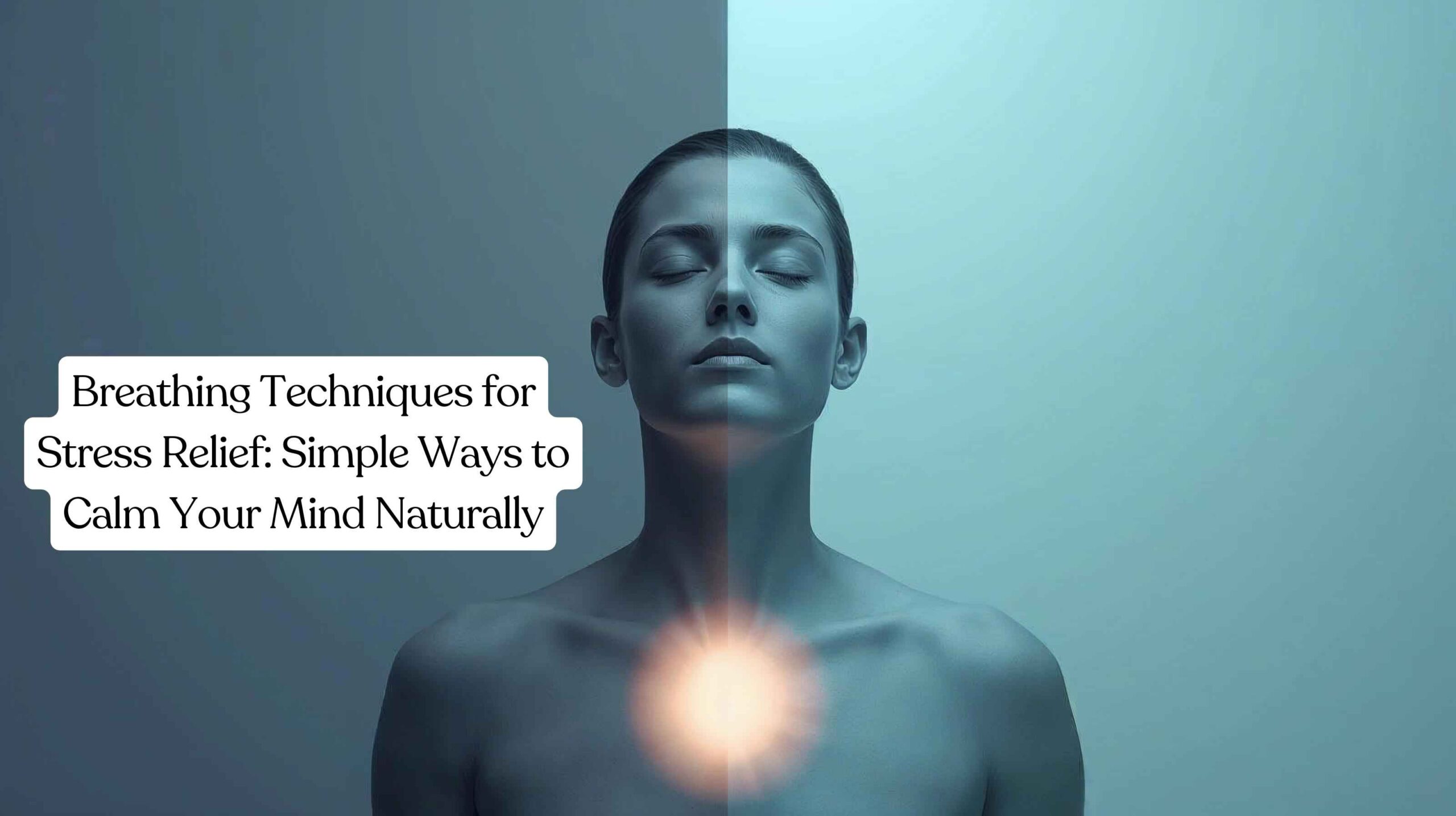
Stress is a common part of modern life, and many people are now turning to breathing techniques for stress relief as a simple and natural way to support relaxation and emotional balance.
Whether stress comes from work pressure, daily responsibilities, or personal challenges, it often affects both the mind and body. While there are many ways to manage stress, mindful breathing is one of the easiest habits anyone can start without needing special tools or training.
By learning how to breathe with intention, you can gently support your body’s ability to relax.
How Breathing Affects Stress
When you feel tense or overwhelmed, your breathing pattern changes.
It often becomes:
-
Fast
-
Shallow
-
Uneven
This signals your body to stay alert.
Slow and controlled breathing, on the other hand, supports your body’s natural relaxation response. Global organizations like the World Health Organization emphasize the importance of simple relaxation practices for everyday well-being.
Practicing breathing techniques regularly may help create a sense of calm and balance.
Signs You May Benefit from Breathing Techniques for Stress Relief
You may find breathing exercises helpful if you experience:
-
Difficulty relaxing
-
Feeling overwhelmed
-
Trouble focusing
-
Sleep disturbances
-
Muscle tension
These are common responses to ongoing stress.
Easy Breathing Techniques for Stress Relief You Can Try
You don’t need special experience to begin.
These calming breathing methods can be practiced anytime.
How Stress Affects Your Body: Signs, Causes, and Natural Ways to Manage It
Deep Belly Breathing
This is one of the most effective breathing techniques for stress relief.
How to practice:
-
Sit comfortably
-
Place one hand on your stomach
-
Breathe in slowly through your nose
-
Let your stomach rise
-
Exhale gently through your mouth
Repeat for a few minutes.
4-4-6 Breathing
This method helps slow down your breathing rhythm.
Steps:
-
Inhale for 4 seconds
-
Hold for 4 seconds
-
Exhale for 6 seconds
A longer exhale supports relaxation.
Box Breathing
A simple method often used to regain focus.
Steps:
-
Inhale for 4 seconds
-
Hold for 4 seconds
-
Exhale for 4 seconds
-
Hold for 4 seconds
Repeat slowly.
Slow Counting Breath
A beginner-friendly relaxation technique.
Steps:
-
Inhale while counting to 5
-
Exhale while counting to 5
This helps reduce racing thoughts.
Alternate Nostril Breathing
This technique supports balance and calmness.
Steps:
-
Close one nostril
-
Inhale through the other
-
Switch and exhale
Repeat gently.
Possible Benefits of Practicing Breathing Techniques
With consistency, these natural relaxation techniques may help support:
-
Emotional balance
-
Mental clarity
-
Better sleep patterns
-
Improved focus
Research supported by institutions such as the National Institutes of Health suggests relaxation practices can assist in managing everyday stress responses.
When to Practice
You can practice breathing techniques for stress relief:
-
In the morning
-
During work breaks
-
Before sleep
-
After stressful moments
Even 5 minutes daily can be beneficial.
Signs of Poor Gut Health: What Your Body Might Be Trying to Tell You
Building a Daily Habit
Start small.
Consistency matters more than duration.
Try pairing breathing with:
-
Morning routines
-
Evening relaxation
-
Quiet moments during the day
Final Thoughts
Stress is a natural part of life, but constant tension doesn’t have to be.
Practicing breathing techniques for stress relief regularly may help create small moments of calm throughout your day.
These techniques are simple, accessible, and easy to include in your daily routine. Over time, mindful breathing can support a more balanced response to everyday challenges.
Disclaimer
This article is for informational purposes only and does not replace professional medical advice. Please consult a qualified healthcare professional for health concerns.