
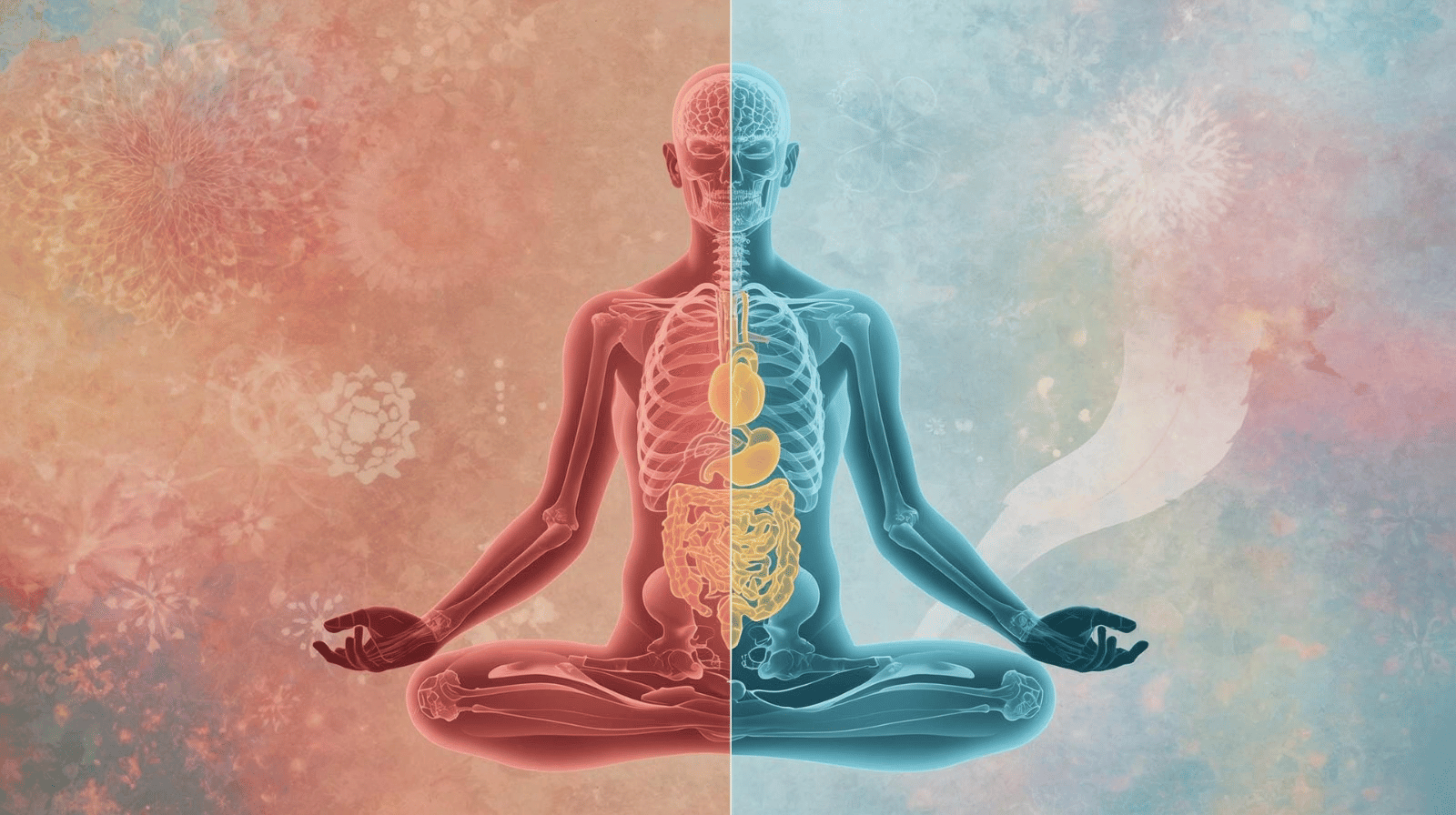
How stress affects your body. Stress has become a normal part of modern life. Whether it’s work pressure, financial worries, relationship challenges, or health concerns — almost everyone experiences stress daily.
But what many people don’t realize is that stress is not just a mental issue.
It directly affects your entire body — from your brain and heart to your digestion and immune system.
Understanding how stress impacts your health is the first step toward managing it effectively.
What is Stress? how stress affects your body
Stress is your body’s natural response to a challenge or demand.
When you face a difficult situation, your body releases hormones like:
-
Cortisol
-
Adrenaline
This response is often called the “fight or flight” reaction.
In short bursts, stress can be helpful.
It keeps you alert and ready to respond.
But when stress becomes chronic, it starts damaging your body.

How Stress Affects Your Body
Chronic stress silently impacts multiple systems in your body.
Let’s break it down.
1. Brain and Mental Health
Stress affects how your brain functions.
It can lead to:
-
Difficulty concentrating
-
Memory problems
-
Mood swings
-
Irritability
-
Anxiety
-
Depression
Long-term stress may even shrink areas of the brain responsible for learning and emotional control.
2. Heart Health
When you are stressed, your heart rate increases.
Your blood pressure rises.
Over time, this can lead to:
-
Hypertension
-
Increased risk of heart disease
-
Irregular heartbeat
Chronic stress forces your cardiovascular system to stay in overdrive.
3. Digestive System
Stress disrupts your gut health.
You may experience:
-
Acidity
-
Bloating
-
Constipation
-
Diarrhea
-
Irritable bowel symptoms
This happens because stress interferes with digestion and gut bacteria balance.
The gut and brain are closely connected — often called the gut-brain axis.
4. Immune System
Stress weakens your immunity.
You may notice:
-
Frequent colds
-
Slow wound healing
-
Increased infections
Research from organizations like the World Health Organization highlights the role of stress in lowering immune response.
5. Sleep Cycle
Stress interferes with your ability to relax.
This leads to:
-
Difficulty falling asleep
-
Interrupted sleep
-
Fatigue
Lack of sleep then increases stress — creating a harmful cycle.
6. Hormonal Balance
Stress increases cortisol levels.
High cortisol can lead to:
-
Weight gain
-
Hormonal imbalance
-
Menstrual irregularities
-
Reduced libido
7. Skin and Hair
Chronic stress may cause:
-
Acne
-
Hair fall
-
Premature aging
-
Skin inflammation
Signs Your Body is Under Stress
Many people ignore stress because symptoms seem “normal.”
Here are warning signs:
Physical Signs
-
Headaches
-
Muscle tension
-
Fatigue
-
Chest tightness
-
Digestive issues
Emotional Signs
-
Irritability
-
Anxiety
-
Feeling overwhelmed
-
Mood swings
Behavioral Signs
-
Overeating
-
Poor sleep
-
Social withdrawal
-
Low productivity
Common Causes of Chronic Stress
Understanding the cause helps you manage it better.
Lifestyle Causes
-
Long working hours
-
Poor sleep habits
-
Lack of exercise
Emotional Causes
-
Relationship problems
-
Family responsibilities
-
Financial worries
Environmental Causes
-
Noise pollution
-
Work pressure
-
Digital overload
Long-Term Effects of Untreated Stress
If ignored, stress may lead to serious conditions like:
-
High blood pressure
-
Heart disease
-
Obesity
-
Diabetes
-
Anxiety disorders
-
Depression
Chronic stress can slowly impact your quality of life.
Natural Ways to Manage Stress
The good news is — stress can be managed naturally.
1. Deep Breathing
Breathing exercises calm your nervous system.
Try this:
-
Inhale for 4 seconds
-
Hold for 4 seconds
-
Exhale for 6 seconds
Repeat for 5 minutes daily.
2. Regular Physical Activity
Exercise releases endorphins — natural mood boosters.
Even:
-
Walking
-
Yoga
-
Stretching
can reduce stress significantly.
3. Balanced Nutrition
Certain foods help reduce stress:
-
Nuts
-
Fruits
-
Whole grains
-
Leafy greens
Avoid excess caffeine and sugar.
4. Mindfulness and Meditation
Meditation improves emotional balance.
Just 10 minutes daily can:
-
Improve focus
-
Reduce anxiety
-
Improve sleep
5. Quality Sleep
Aim for 7–8 hours of sleep.
Maintain:
-
Fixed sleep schedule
-
Screen-free bedtime routine
6. Journaling
Writing your thoughts helps release emotional pressure.
It also improves mental clarity.
7. Social Support
Talking to someone you trust can reduce emotional burden.
Support systems improve resilience.
Daily Habits That Reduce Stress
Small habits make a big difference.
Try:
-
Morning sunlight exposure
-
Digital detox time
-
Gratitude practice
-
Short walks
-
Relaxation breaks
FAQs
Can stress cause physical illness?
Yes. Chronic stress can impact immunity, heart health, digestion, and hormonal balance.
Is all stress harmful?
No. Short-term stress can improve performance. Chronic stress is harmful.
How long does it take to reduce stress naturally?
With consistent lifestyle changes, improvement may be noticed within weeks.
Conclusion
Stress is unavoidable — but suffering from it is not.
Understanding how stress affects your body empowers you to take action early.
By adopting simple natural strategies like mindful breathing, proper sleep, balanced nutrition, and emotional awareness, you can protect both your mental and physical health.
Managing stress is not about eliminating challenges — it’s about building resilience.
Disclaimer
This article is for informational purposes only and does not substitute professional medical advice. Always consult a qualified healthcare professional for health concerns.