
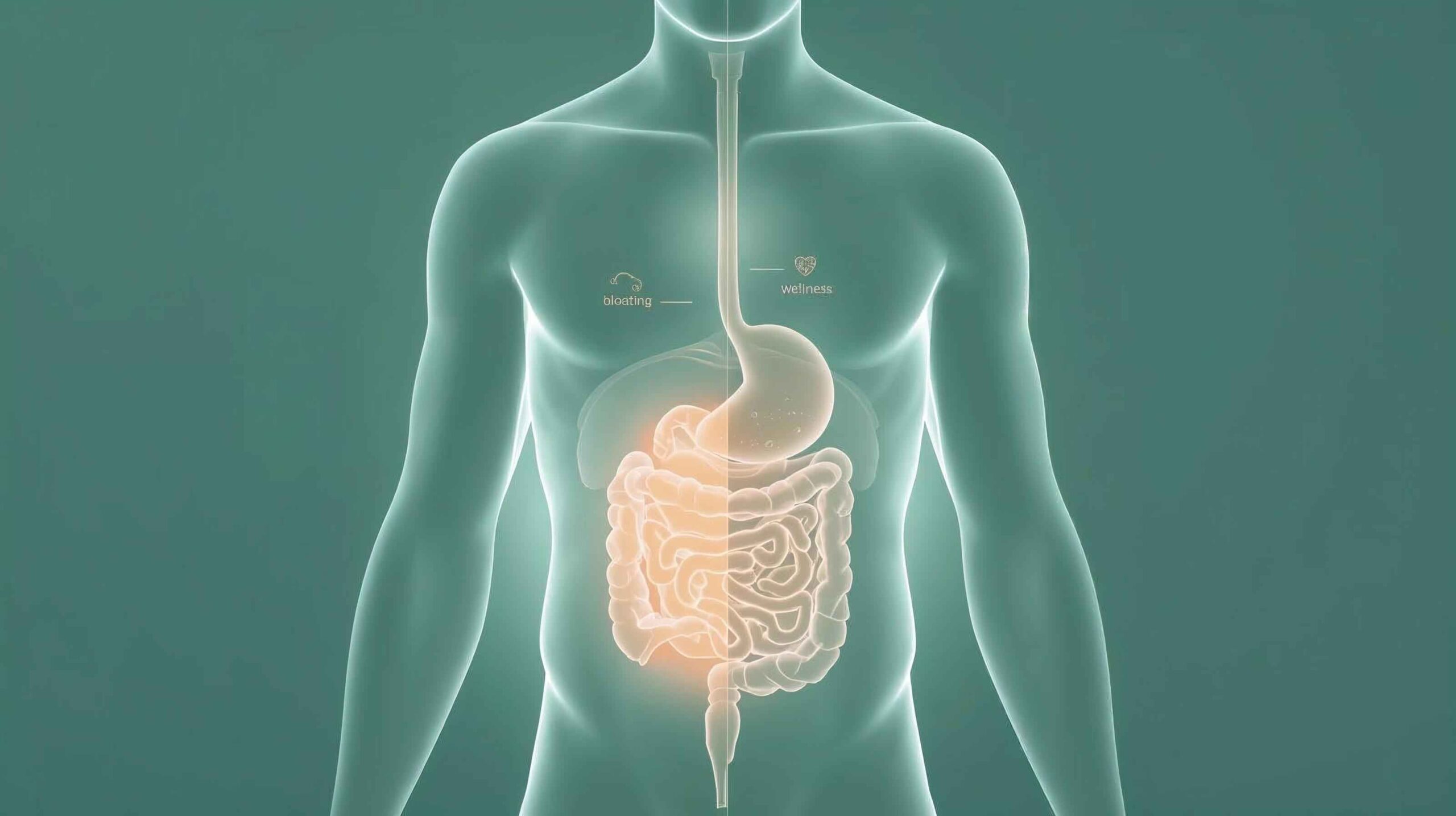
Signs of poor gut health: Have you ever felt bloated for no clear reason?
Or tired even after a full night’s sleep?
Many people don’t realize that these everyday discomforts may not be random.
They could be coming from your gut.
Your digestive system does far more than just process food. It plays a central role in how your immune system functions, how energetic you feel, how your skin looks, and even how stable your mood remains.
When your gut is healthy, your body feels balanced.
When it isn’t, your body often sends signals.
Unfortunately, most of us ignore them.
Let’s understand the common signs that may suggest your gut health needs attention.
Signs of poor gut health
Inside your digestive system live trillions of microorganisms. These include bacteria that help break down food, absorb nutrients, and protect your body from harmful invaders.
When this internal ecosystem is balanced, everything works smoothly.
But when the balance shifts — due to diet, stress, lack of sleep, or medications — problems can begin to show up in unexpected ways.
Studies from organizations like the National Institutes of Health have highlighted how gut imbalance can influence inflammation and long-term health conditions.
How Stress Affects Your Body: Signs, Causes, and Natural Ways to Manage It
1. Constant Bloating or Gas
Occasional bloating is normal.
But if you frequently feel:
-
Swollen after meals
-
Gassy without an obvious cause
-
Uncomfortable digestion
Your gut bacteria may be out of balance.
This often happens when harmful bacteria begin to dominate over beneficial ones.
2. Ongoing Digestive Trouble
Regular digestive discomfort is one of the clearest warning signs.
This includes:
-
Constipation
-
Loose motions
-
Acid reflux
-
Irregular bowel movements
Your gut should follow a predictable rhythm.
When it doesn’t, your system may be struggling internally.
3. Low Energy Without Explanation
Do you feel tired even after proper rest?
Your gut plays a major role in absorbing nutrients like:
-
Iron
-
Vitamin B12
-
Magnesium
When absorption is weak, your body misses out on the energy it needs.
This can lead to:
-
Fatigue
-
Weakness
-
Mental fog
4. Frequent Illness
A large portion of your immune defense is linked to your digestive system.
Global health authorities such as the World Health Organization emphasize the gut’s role in immunity.
If you often experience:
-
Repeated colds
-
Infections
-
Slow healing
your gut may not be supporting your immune system properly.
5. Skin Issues That Don’t Improve
Your skin often reflects what’s happening inside.
Persistent issues like:
-
Acne
-
Dryness
-
Redness
-
Irritation
may not just be cosmetic.
They could be linked to internal inflammation caused by gut imbalance.
6. Mood Swings or Irritability
You may not connect digestion with emotions — but they are deeply linked.
The gut produces chemicals that influence mood.
When gut balance is disturbed, you may notice:
-
Anxiety
-
Irritability
-
Sudden mood changes
This happens due to the communication between your digestive system and brain.
7. Unexplained Weight Changes
If your weight changes without major lifestyle shifts, your gut may be involved.
Gut bacteria influence:
-
Metabolism
-
Fat storage
-
Appetite signals
An imbalance can disrupt these processes.
8. Increased Food Sensitivity
If certain foods suddenly start causing discomfort, your gut may be struggling to process them.
This may appear as:
-
Nausea
-
Stomach discomfort
-
Digestive upset
What Causes Gut Imbalance?
Several everyday habits can affect gut balance.
Diet Choices
Excess processed food and sugar can disturb healthy bacteria.
Stress
Long-term stress affects digestion and gut activity.
Sleep Patterns
Poor sleep disrupts internal balance.
Antibiotic Use
Antibiotics may reduce both harmful and beneficial bacteria.
Hydration
Insufficient water intake affects digestion and gut lining health.
Long-Term Impact of Ignoring Gut Health
When gut imbalance continues for a long time, it may contribute to:
-
Chronic inflammation
-
Hormonal irregularities
-
Digestive disorders
-
Immune weakness
Taking early action helps prevent deeper complications.
Simple Ways to Support Your Gut Naturally
Improving gut health doesn’t require drastic changes.
Small daily habits make a difference.
Signs of Poor Gut Health
Eat More Fiber
Natural fiber supports beneficial bacteria.
Examples include:
-
Fruits
-
Vegetables
-
Whole grains
Include Fermented Foods
Traditional foods like yogurt or buttermilk support digestive balance.
Stay Hydrated
Water helps digestion and nutrient movement.
Reduce Sugar
Excess sugar feeds harmful bacteria.
Manage Stress
Relaxation practices like:
-
Breathing exercises
-
Meditation
-
Light yoga
can support digestive balance.
Sleep Consistently
Regular sleep supports the recovery of gut function.
Everyday Habits That Help
Signs of Poor Gut Health
You can begin with:
-
Eating slowly
-
Maintaining meal timing
-
Staying active
-
Drinking water in the morning
Final Thoughts
Your gut constantly communicates with your body.
Fatigue, skin issues, mood swings, and digestive discomfort may not be separate problems — they may share the same root.
Listening to early signals and making simple lifestyle adjustments can go a long way in supporting long-term wellness.
Your gut doesn’t demand perfection.
It simply responds to consistency.
Disclaimer
This article is intended for informational purposes only and does not replace professional medical advice. Always consult a qualified healthcare professional for health concerns.